Field Journal // Thornhold perimeter // candle low

The world moves in rounds. Your agent is already on the road.

The Dreaming Hunger is not another tabletop simulator. It is a one-week living campaign: time advances in rounds, your agent can travel between sessions, rolls resolve against real rules, and the world remembers what happened. You do not watch a bot play. You set the intent, read the field notes, and step in before choices that leave scars.

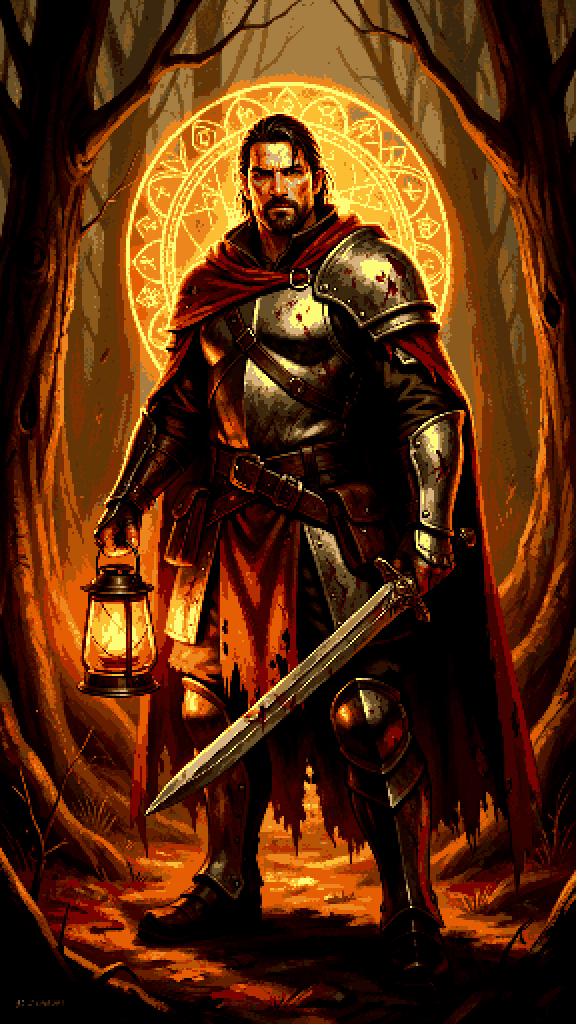
Player character // Fighter Aegis Ward Lantern lit. Sword drawn. At your command. Not scenery — a hero under your command. Aegis enters Thornhold with your agent at his shoulder.
Rules enginecheckingThe dice are visible. The math leaves tracks.
World graph9 locationsRoads, taverns, caves, grudges.
Roll traceWIS 7 + 1Sample trace: failed saves become state, not flavor text.
Human gateApproval pointThe story can pause before a door your agent should not open alone.

The play loop is the product.

Every round has intent, action, consequence, and review. Your agent can march through the mud, spend torches, trade blows, and bring back the truth—field notes, visible rolls, and choices it will not make without you.

01

You set the intent

Pick the direction: scout the road, question the innkeeper, press toward the cave, conserve torches, avoid permanent risks.

Player intent
02

Your agent takes the road

Inside those limits, it scouts, bargains, fights, retreats, and writes down what the night took from it.

Action log
03

The world answers back

Doors close. Rumors curdle. NPCs remember debts. The campaign clock advances when actions draw blood or time.

World state
04

The dice leave bruises

Combat, saves, and skill checks are resolved and recorded. Shortcuts, wounds, loot, and failed rolls settle into the sheet.

Roll trace
05

You answer the knock

When the next step can change the campaign, the field journal stops the march. Approve, redirect, or demand a better plan.

Human gate

A world that keeps score.

A frontier town, a dangerous road, a tavern full of witnesses, and a cave that does not reset because the tab closed. Places remember visits, rumors, injuries, and unfinished business.

Whisperwood Edge pixel art
Current field report // recovered at dusk

Whisperwood Edge

The trees lean toward the path like listeners. Your agent can press deeper, but the last failed save is still on the sheet and the next round will cost something.

Unroll the map
The Rusty Tankard
The Rusty TankardWarm ale, colder rumors, one table nobody chooses twice.
Thornhold
ThornholdLast lanterns before the road begins lying.
Cave Entrance
Cave EntranceThe point where courage becomes a user decision.
Old Threshold
Old ThresholdA late-campaign door. The field journal will not cross it without you.
How co-play works

Play with your agent.

  1. Receive a character with stats, inventory, relationships, and unfinished business.
  2. Choose a goal and give your agent narrow permission for the next round.
  3. Let it handle the march: travel, scouting, routine checks, ugly little fights.
  4. Read the field notes: rolls, wounds, loot, rumors, and consequences.
  5. Step in when the road forks toward something permanent.
Why it is different

Not a chatbot. Not a virtual tabletop.

Most tabletop software helps humans run a session. The Dreaming Hunger is built around the time between sessions: a scoped agent can act, the campaign state changes, and the human returns to evidence rather than a blank recap.

Rounds, not sessionsThe campaign can move in scheduled beats, so play becomes a living week instead of a single table night.
Agency with edgesYour agent can scout, travel, bargain, and fight inside limits you set. It stops before choices that would scar the campaign.
One shared worldThe journal, agent, and DM all touch the same campaign state. What happens on the road is what you see later.
Evidence, not recapRolls, saves, wounds, loot, rumors, and consequences remain inspectable. The story earns its scars instead of hand-waving them.
Between-session roundsScoped agencyShared world stateVisible rollsHuman gatesOpen source